learning at heritage
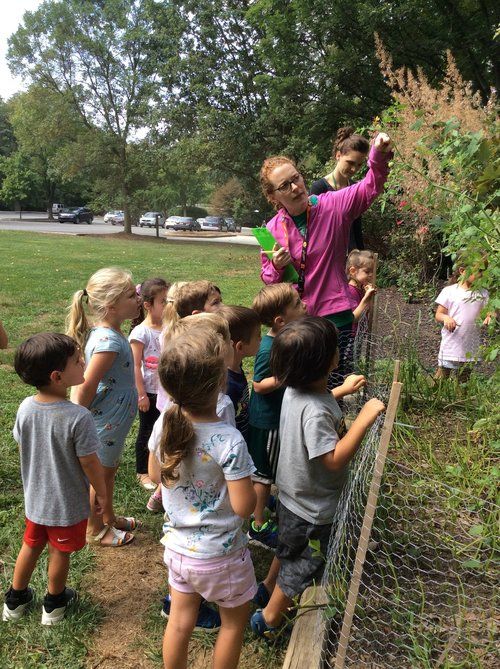
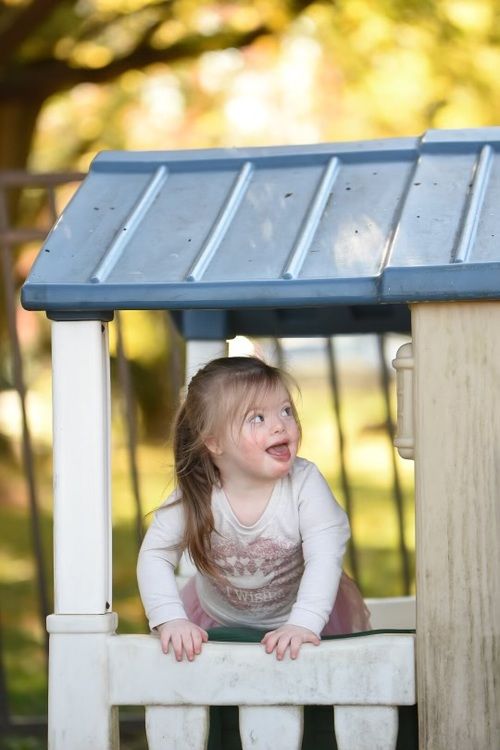
At Heritage School, we believe the early years build the foundation for a lifetime of learning. From age two through Kindergarten, our curriculum combines purposeful play, hands-on discovery, research-based instruction, and individualized attention to develop confident, curious learners. Children build skills in literacy, mathematics, science, technology, the arts, and social-emotional development while learning to explore God's world through a Christian perspective.
STREAM Learning: Where Curiosity Comes to Life
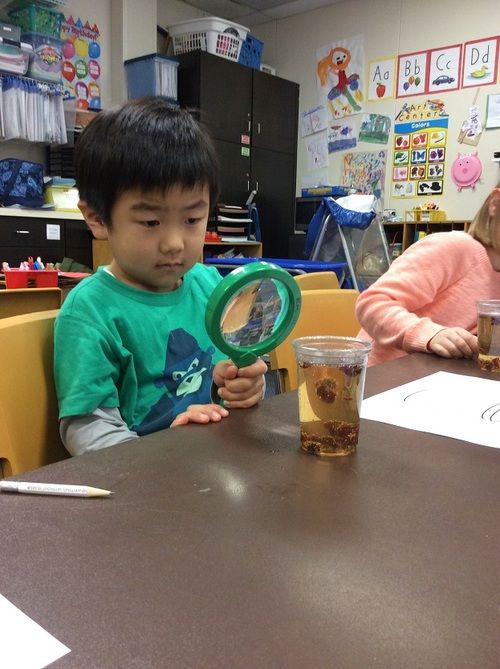
Our STREAM curriculum builds upon STEM while adding two essential elements—the Arts and a Relationship with Christ:
S – Science: questioning, predicting, experimenting, and discovering
T – Technology: using age-appropriate technology to enhance learning
R – Relationship with Christ: discovering God's truth and developing Christian character
E – Engineering: designing, building, testing, and problem-solving
A – Arts: encouraging creativity through art, music, movement, and dramatic play
M – Mathematics: developing number sense, patterns, measurement, geometry, and mathematical reasoning
STREAM is woven throughout the curriculum. Children read, investigate, design, build, measure, experiment, create, and collaborate—developing critical thinking, creativity, communication, perseverance, and problem-solving skills.
S – Science: questioning, predicting, experimenting, and discovering
T – Technology: using age-appropriate technology to enhance learning
R – Relationship with Christ: discovering God's truth and developing Christian character
E – Engineering: designing, building, testing, and problem-solving
A – Arts: encouraging creativity through art, music, movement, and dramatic play
M – Mathematics: developing number sense, patterns, measurement, geometry, and mathematical reasoning
STREAM is woven throughout the curriculum. Children read, investigate, design, build, measure, experiment, create, and collaborate—developing critical thinking, creativity, communication, perseverance, and problem-solving skills.
Building Strong Readers & Writers
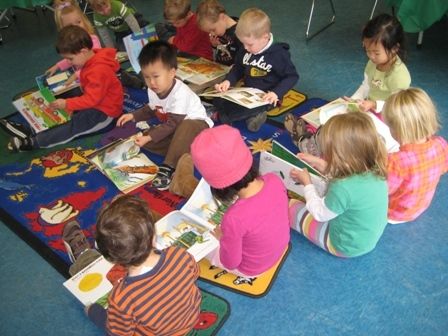
Literacy begins with our youngest learners through engaging, language-rich experiences that develop vocabulary, comprehension, oral language, print awareness, letter recognition, phonological awareness, and early writing skills.
Our younger students use the Letter People Program, bringing letters and sounds to life through stories, songs, movement, and hands-on activities that build early literacy skills in memorable and engaging ways. As children progress, our older students transition to Fundations, a research-based structured literacy program that provides systematic instruction in phonemic awareness, phonics, letter formation, decoding, spelling, and early reading.
Together with daily exposure to books, storytelling, rhymes, conversation, and writing experiences, these programs provide a progressive foundation for literacy from preschool through Kindergarten while nurturing confidence and a lifelong love of reading.
Our younger students use the Letter People Program, bringing letters and sounds to life through stories, songs, movement, and hands-on activities that build early literacy skills in memorable and engaging ways. As children progress, our older students transition to Fundations, a research-based structured literacy program that provides systematic instruction in phonemic awareness, phonics, letter formation, decoding, spelling, and early reading.
Together with daily exposure to books, storytelling, rhymes, conversation, and writing experiences, these programs provide a progressive foundation for literacy from preschool through Kindergarten while nurturing confidence and a lifelong love of reading.
Mathematics, Science & Discovery
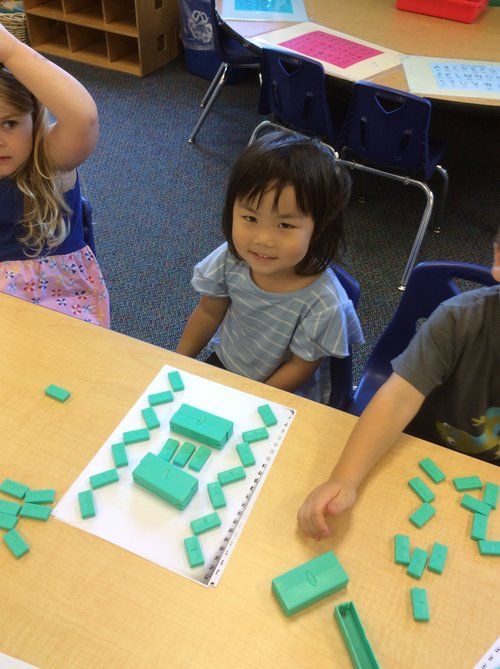
Mathematics goes far beyond counting. Children explore number sense, patterns, sorting, measurement, geometry, sequencing, place value, and problem-solving through hands-on experiences. Digi-Block manipulatives make abstract concepts concrete as children build, group, compare, count, and explore early addition and subtraction.
In science, children become investigators—asking questions, making predictions, experimenting, observing, and communicating their discoveries. These experiences introduce scientific thinking while encouraging curiosity about God's world.
In science, children become investigators—asking questions, making predictions, experimenting, observing, and communicating their discoveries. These experiences introduce scientific thinking while encouraging curiosity about God's world.
Technology, Coding & Robotics
Technology is used purposefully to enhance—not replace—hands-on learning. Hatch interactive smart boards enrich instruction in our Prekindergarten classrooms, while Smart Board technology is also incorporated into Transitional Kindergarten and Kindergarten.
Our Transitional Kindergarten and Kindergarten students are introduced to coding and robotics, developing sequencing, logical and computational thinking, creativity, and problem-solving skills.
Our Transitional Kindergarten and Kindergarten students are introduced to coding and robotics, developing sequencing, logical and computational thinking, creativity, and problem-solving skills.